books ON AMAZON NOW!!!!

My Books
My books sit across leadership, systems, and modern life. Some are practical, some reflective, and some deliberately uncomfortable. What links them is a focus on lived experience rather than abstract theory, and a concern for the human impact of the systems we build.
I do not write to provide easy answers. I write to slow thinking down, surface hidden assumptions, and ask better questions about how we live and work.
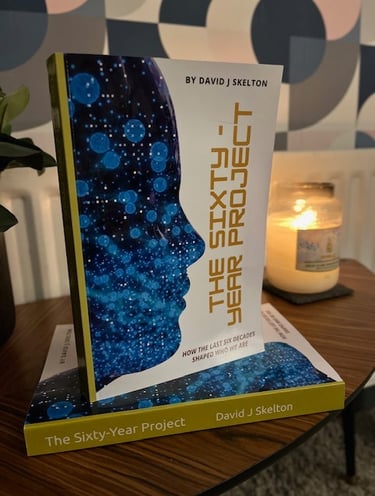
The Sixty-Year Project explores how everyday life, identity, leadership, and culture have shifted over the last six decades. It looks at what has been gained, what has been lost, and what we rarely stop to question. Rather than nostalgia or blame, the book takes a reflective approach. It examines how systems such as education, technology, work, consumerism, and media have reshaped how we think, behave, and relate to one another. Many of these changes arrived gradually, without debate, until they became normal. This book is written for readers who feel something has shifted but struggle to name it. It invites pause rather than outrage, and understanding rather than division.
Written for:
Readers interested in culture, identity, generational change, and modern life
Tone:
Reflective, honest, accessible
Focus:
What progress really costs, and who carries it
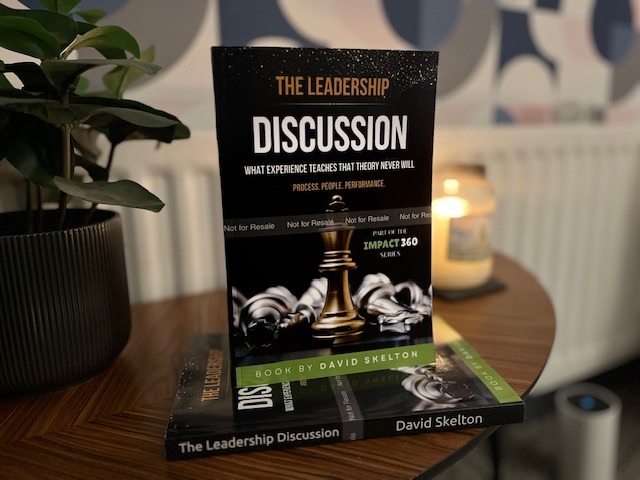
The Leadership Discussion is a book about how leadership is actually experienced, not how it is usually described. It moves away from models, slogans, and heroic narratives, and instead focuses on the everyday reality of leading people, making decisions, and carrying responsibility over time. The book is built around lived experience rather than instruction. It explores what leaders face when certainty is unavailable, when trade-offs are unavoidable, and when showing up matters more than saying the right thing. Rather than offering a new framework to follow, it invites readers into an honest conversation about judgement, pressure, failure, and growth. At its core, this book argues that leadership is less about control and confidence, and more about presence, consistency, and respect. It looks at how good leadership is shaped through experience, reflection, and dialogue, not through performance or perfection. This is not a book for people looking for shortcuts or scripts. It is written for those who already carry responsibility and want language for what they feel but rarely see written down.
Written for:
Leaders, managers, and those stepping into responsibility
Tone:
Conversational, reflective, experience-led
Focus:
Judgement, presence, capability, and leadership as lived practice

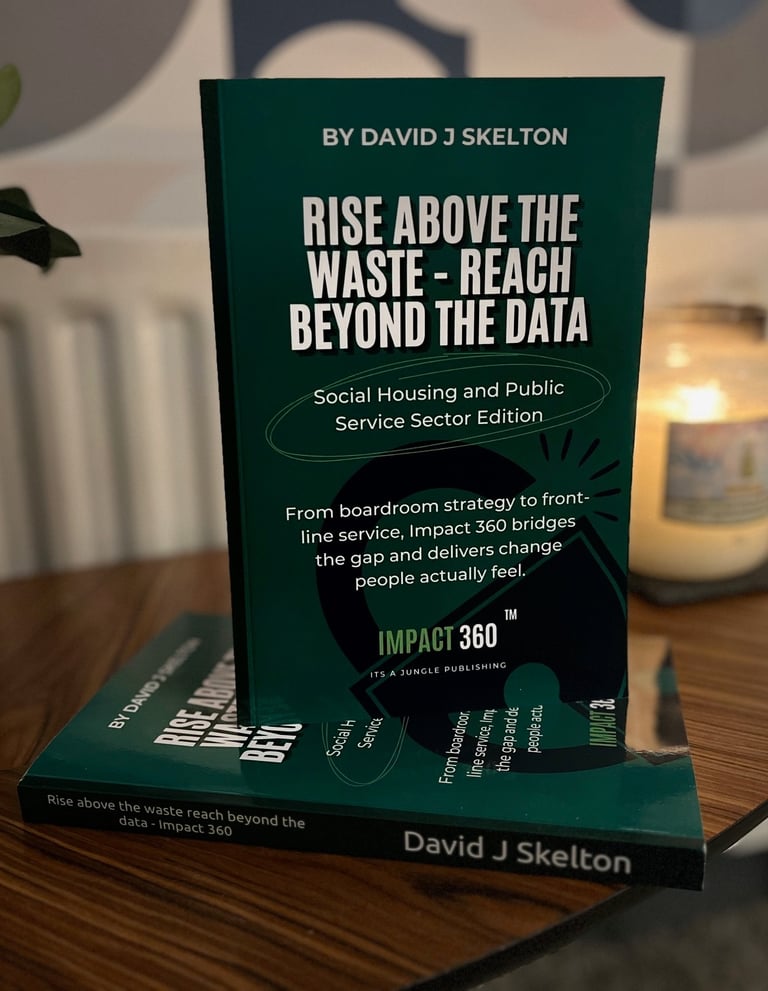
Rise Above the Waste, Reach Beyond the Data is a practical and reflective book about improvement, performance, and decision-making in complex service environments. It challenges the growing belief that better data automatically leads to better outcomes. Built on real-world experience, the book explores how organisations become trapped by metrics, dashboards, and process compliance, while missing the human and systemic causes of underperformance. It argues that data should inform judgement, not replace it, and that waste often survives because it sits between teams, roles, and responsibilities. Rather than offering another technical toolkit, the book focuses on how improvement actually happens when people understand their system, their customers, and their own constraints. It brings attention back to purpose, flow, capability, and impact, particularly in environments where complexity cannot be simplified away. This book is written for practitioners who feel the tension between what the numbers say and what reality shows them every day.
Written for:
Improvement practitioners, leaders, analysts, and service organisations
Tone:
Grounded, practical, experience-led
Focus:
Waste, decision quality, system thinking, and impact beyond metrics


Phone
Skelton.dave2@gmail.com
+44 7713 480988
© 2025. All rights reserved.